What Exactly Is Non-Invasive Fat Reduction and How Does It Work in Seoul?
Find the Best Non-Invasive Fat Reduction in Seoul for a Smoother, Slimmer You
After months of trying to shrink stubborn belly fat through diet and exercise alone, you finally feel ready for a gentle, technology-driven boost. Non-invasive fat reduction Seoul uses targeted cooling or ultrasound energy to break down fat cells beneath the skin, without needles or surgery. This approach lets you return to your daily routine immediately, with visible contour improvements appearing gradually over several weeks. Each session is comfortable and requires no downtime, making it a practical way to support your body-shaping goals while respecting your time and energy.
What Exactly Is Non-Invasive Fat Reduction and How Does It Work in Seoul?
In Seoul, non-invasive fat reduction refers to body-contouring procedures that destroy fat cells without surgery, needles, or downtime, using technologies like cryolipolysis (cooling), focused ultrasound, or radiofrequency. These treatments target localized fat pockets—such as the abdomen, thighs, or chin—by physically stressing fat cells until they break down and are naturally metabolized by the liver over two to three weeks. Clinics in Gangnam and Hongdae typically map the treatment area with ultrasound, then apply a handpiece that delivers controlled cooling or thermal energy to a depth just below the skin, sparing nerves and muscle. Each session lasts 30–60 minutes, and most clients require two to four visits spaced a month apart. Q: How fast do results appear in Seoul? A: Initial changes show at three weeks, with final contour visible around eight to twelve weeks postpartum.
The Core Technologies Behind Zero-Downtime Body Contouring Clinics
Seoul’s zero-downtime body contouring clinics hinge on three core technologies that selectively target adipocytes without surgery. **Cryolipolysis** pins fat cells between cooling plates at precisely controlled sub-zero temperatures, triggering apoptosis while sparing skin and nerves. Simultaneously, high-intensity focused ultrasound (HIFU) delivers thermal energy to the subcutaneous layer, coagulating fat and tightening collagen fibers in a single pass. Radiofrequency (RF) devices, often combined with vacuum suction, heat the dermis to 45°C, inducing lipolysis and immediate tissue contraction. Each system features real-time temperature mapping and contact sensors to prevent burns. Clinics sequence these modalities strategically:

- Assess fat density via ultrasound imaging.
- Apply cryolipolysis to deep, stubborn deposits.
- Follow with HIFU for fibrous areas.
- Finish with RF for skin retraction and lymphatic drainage.
This layered approach ensures visible contouring with zero recovery time.
Why Seoul’s Approach to Fat Freezing and Ultrasound Lipo Stands Out
Seoul’s edge in fat freezing and ultrasound lipo lies in layered protocol precision, where clinics pair devices like Cryolipolysis with high-intensity focused ultrasound in a single session. Unlike single-device defaults elsewhere, Korean practitioners first map fat thickness via 3D imaging, then apply fat freezing to deeper subcutaneous layers and switch to ultrasound for superficial, fibrous areas—often the submental zone. This sequencing reduces shock to the lymphatic system while maximizing volume reduction. Many Gangnam clinics also calibrate cooling temperatures below standard settings, adjusted for Asian body compositions, using real-time skin response monitoring. The result is a shorter recovery curve and visibly smoother contours within two weeks, not the typical three-month wait.
- 3D mapping identifies dense versus loose fat zones before any applicator is placed.
- Fat freezing targets deep fat, then ultrasound lipo tightens superficial layers.
- Cryolipolysis temperatures are lowered by 1–2°C for thinner dermal thickness, reducing pain and bruising.
- Post-treatment lymphatic massage is integrated, not optional, to accelerate clearance of emulsified fat.
What Happens During a Typical Session at a Local Aesthetic Clinic
A typical session at a local aesthetic clinic begins with a consultation where the practitioner maps your treatment areas using a handheld device, marking the exact zones for applicator placement. You lie comfortably on a treatment bed while the clinician positions cooling or ultrasound panels directly on the skin; the initial sensation is a deep cold or tingling, which quickly numbs the area. During the 30-to-60-minute procedure, you can scroll through your phone or nap, as the device painlessly disrupts fat cells beneath the surface. After removal, the clinician performs a quick manual massage to break up crystallized fat and boost lymphatic drainage. Most clients feel a mild soreness, akin to a workout, but resume daily activities immediately. This streamlined process defines non-invasive fat reduction Seoul sessions.
- Targeted applicators are placed precisely on stubborn fat pockets
- Treatment duration averages 45 minutes per area
- Post-session massage enhances fat metabolism and comfort
- No anesthesia or recovery downtime is required
Which Body Areas Respond Best to These No-Surgery Fat Melting Procedures?
The abdomen and flanks respond most predictably to non-invasive fat melting in Seoul, as these areas typically have subcutaneous fat layers thick enough for devices like cryolipolysis or focused ultrasound to target effectively without risking skin laxity. The inner and outer thighs also show good results, though patients with cellulite-prone skin may need more sessions. In Seoul clinics, the submental area (under the chin) is a top candidate due to its small fat volume and high patient satisfaction. Conversely, the upper arms and bra-line region respond moderately—treatment works, but skin elasticity must be adequate. The lower belly, just above the pubic bone, is often stubborn but still treatable with specialized applicators. Avoid expecting meaningful changes on the knees, ankles, or calves; these areas have thin fat pads and fibrous tissue, making them poor responders regardless of device quality.
For non-invasive fat reduction in Seoul, the most reliable outcomes are achieved on the abdomen, flanks, and submental fat, while extremities like calves and ankles should be avoided due to poor fat thickness and structural limitations.
Targeting Stubborn Belly Fat and Love Handles Without Knives
For stubborn belly fat and love handles, non-invasive fat reduction in Seoul prioritizes technologies that target submental and flank adiposity without surgery. Cryolipolysis applicators are often curved to mold around the waistline, while focused ultrasound disrupts deeper fat layers resistant to diet. A common protocol involves an initial mapping session to identify fibrotic tissue, followed by alternating radiofrequency for skin tightening and cavitation for emulsification. Patients typically undergo two to four sessions spaced three weeks apart. Combination sequencing maximizes waist contouring because belly fat responds better to thermal shock, while love handles benefit from mechanical disruption. Expect gradual reduction over eight weeks, not instant results.
Treating Double Chins and Bra Lines with Focused Energy Devices
For stubborn submental fullness and the bra-line bulge, focused energy devices deliver contouring precision that resists standard diet and exercise. In Seoul, these no-surgery procedures target the double chin’s fat pad with controlled acoustic or thermal energy, tightening the overlying skin to prevent the loose “wattle” effect. Similarly, bra-line fat—often dense and fibrous—responds well because focused applicators can adapt to the curved ribcage, sculpting a smoother transition without incisions. Sessions are brief, require no downtime, and results appear progressively over weeks as the body metabolizes treated fat. For patients seeking a defined jawline or a clearer back silhouette, these focused energy fat-reduction treatments offer a reliable, non-surgical alternative, especially when combined with a tailored Seoul-based consultation to match device settings to your specific tissue laxity.
Focused energy devices effectively reduce double chins and bra-line bulges by precisely melting stubborn fat while tightening skin, offering visible, no-downtime contouring for these two anatomically challenging areas.
Can You Sculpt Inner Thighs and Arms with These Technologies?
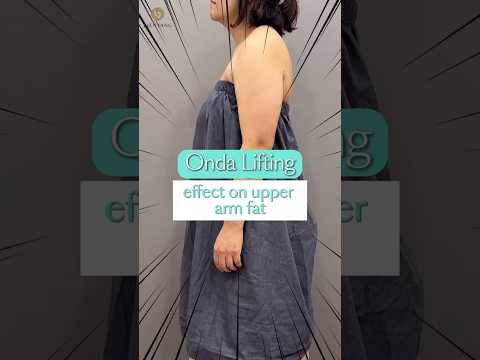
Yes, you can target inner thighs and arms, though results depend on device and anatomy. In Seoul, cryolipolysis and focused ultrasound effectively reduce fat in these smaller zones, but their precision demands careful applicator fit. Inner thighs often respond well because the pinchable fat layer suits cooling suction cups, while arms—especially the triceps—can be treated with smaller, curved handpieces. However, these technologies do not tighten loose skin equally; if you have significant laxity, you may need radiofrequency to firm the area post-reduction. For sculpting, expect subtle contour changes over weeks, not dramatic reshaping, and always verify the clinic’s applicator sizes cover your specific limb circumference. Cavitation is less reliable here than localized cryolipolysis due to weaker penetration in dense muscle regions.
How to Choose the Right Clinic and Protocol for Your Body Type
To choose the right clinic for non-invasive fat reduction in Seoul, first map your body type—whether you hold stubborn visceral fat around the abdomen or softer subcutaneous fat on the thighs and arms. Clinics differ in their device portfolios, so prioritize those offering multiple modalities like cryolipolysis, focused ultrasound, or radiofrequency, rather than a single machine, which restricts protocol flexibility. Ask for a body composition analysis, then verify the proposed plan targets your specific fat density and skin laxity, not a generic “one-size-fits-all” package. Assess the practitioner’s adjustment policy—whether they modify energy levels, applicator sizes, or session spacing based on your pain tolerance and lymphatic response. The gap between “available” and “suitable” often hides in how the protocol sequences treatments across your natural healing cycles. Finally, book a trial patch on one asymmetrical area to gauge real-world consistency before committing to a multi-session plan.
Key Machine Types You Should Know: Cryolipolysis vs. HIFU vs. Radiofrequency
When comparing **key machine types you should know: cryolipolysis vs. HIFU vs. radiofrequency**, your body type dictates the winner. Cryolipolysis (e.g., CoolSculpting) uses controlled cooling to freeze and kill stubborn fat cells—ideal for pinchable bulges on the abdomen or thighs, but it does nothing for skin laxity. HIFU (high-intensity focused ultrasound) targets deeper fat layers while simultaneously tightening collagen, making it a strong pick for a jowl or bra-line area with mild sagging. Radiofrequency (RF) heats the dermis to shrink fat and boost elasticity, perfect for loose, softer areas like the arms or post-pregnancy belly. In Seoul, clinics often combine these—ask your consultant to map your fat thickness and skin tone first.
Key machine types you should know: cryolipolysis vs. HIFU vs. radiofrequency are not interchangeable, so match the modality to your priority: fat reduction, lifting, or both.
Q: Which machine type works fastest for a flat lower belly?
A: Cryolipolysis typically shows visible results in 3–4 weeks, but HIFU can deliver a sharper, tightening effect sooner if you have mild skin laxity—RF is slower for pure fat but best for overall texture.
Questions to Ask Before Your First Consultation in Gangnam or Hongdae
Before your first consultation for non-invasive fat reduction in Gangnam or Hongdae, ask which specific device model the clinic uses, since older machines may yield weaker results on your body type. Inquire whether the practitioner assesses your fat thickness and skin laxity with ultrasound or calipers, or merely relies on visual guesswork. Request a breakdown of the number of sessions tailored to your abdominal or flank measurements, and ask how they adjust energy levels for fibrous versus soft fat. Confirm what side effects are realistic for your tolerance. Clarify whether the quoted price covers a follow-up assessment, as many Hongdae clinics charge separately for retouching. Finally, ask for before-photos of patients with a similar BMI to yours. This consultation question checklist for fat reduction in Seoul prevents mismatched expectations.
How Many Sessions Will You Actually Need for Visible Results?
For non-invasive fat reduction in Seoul, visible results typically require **a baseline of three to four sessions** spaced two to four weeks apart, depending on your body type. Slimmer frames often see change after two sessions, while thicker adipose layers demand five or more to create a noticeable contour shift—not just a subtle difference. Your protocol should match this math: cryolipolysis needs fewer sessions per area than focused ultrasound, which may require six for deep fat. Expect real results to appear four to eight weeks after your final session, as your body metabolizes treated cells. Don’t accept a clinic promising one-and-done fixes for sculpting; that signals weak parameters, not efficiency.
How many sessions will you actually need for visible results?
It depends on your starting density and the device’s depth—ask for a tissue-thickness scan during consultation so the clinic can project a session count based on your actual fat volume, not a generic package.
What Results and Recovery Look Like After Fat Reduction Treatments
After non-invasive fat reduction in Seoul, you will not see immediate changes; the body needs ONDA lifting seoul 8–12 weeks to process and excrete destroyed fat cells, with noticeable contouring emerging around week six and full results by month three. Recovery is minimal—most clients in Gangnam return to work the same day, experiencing only transient redness, mild tenderness, or a tingling sensation lasting a few hours to two days. Unlike surgery, there are no compression garments or downtime, though you must maintain hydration and avoid anti-inflammatory medications for 48 hours to support lymphatic clearance. Multiple sessions, spaced six weeks apart, typically yield 20–25% fat reduction per visit, and results are permanent as long as weight stays stable. Q: When can I expect to see results after a Seoul non-invasive fat reduction session? A: Initial softening appears within three weeks, but definitive slimming is visible at two months, with peak outcomes at three months.

The Real Timeline: When Will You See Changes on the Scale and in the Mirror?
Unlike weight-loss diets, non-invasive fat reduction in Seoul does not produce immediate scale changes. In the first two to three weeks, your weight stays stable because the treated fat cells are still being processed and eliminated by your lymphatic system. The first visible mirror changes—subtle contour softening—appear around week three, though the scale may only drop one to two kilograms. The most significant transformation emerges between weeks eight and twelve, when the body fully flushes dead fat cells. The key timeline variable is your metabolic rate, which determines how quickly the liver and lymphatics clear debris. By week twelve, you see the final sculpted result; scale weight then drops proportionally to total fat volume destroyed, not water weight.
Mirror changes begin at week three, peak between weeks eight and twelve; scale changes lag behind, reflecting true fat loss only after cellular clearance completes.
Managing Mild Side Effects Like Tingling, Bruising, or Temporary Numbness
After non-invasive fat reduction in Seoul, mild side effects like tingling, bruising, or temporary numbness are common and typically resolve within days. To manage these, apply a cold compress for 10-minute intervals during the first 24 hours, which reduces bruising and soothes nerve irritation. Avoid hot showers, saunas, or intense exercise for 48 hours, as heat can worsen swelling and prolong numbness. Gentle massage around—not directly on—treated areas can restore normal sensation faster. Over-the-counter arnica cream helps fade bruises, while vitamin B12 supplements support nerve recovery.
- Keep the area hydrated with fragrance-free lotion to ease tingling.
- Wear loose clothing to prevent friction on numb or bruised skin.
- Stay active with light walking to boost circulation and clear residual numbness.
- Contact your Seoul clinic if tingling persists beyond two weeks.
How to Maximize Your Outcome with Diet and Exercise in Seoul
To maximize your outcome after non-invasive fat reduction in Seoul, treat the procedure as a catalyst, not a solution. In the two weeks post-treatment, prioritize a high-protein diet—think grilled chicken, tofu, and Korean fish—to support metabolic clearance of disrupted fat cells. Concurrently, integrate daily walking along Cheonggyecheon or Hangang parks, aiming for 8,000–10,000 steps, to maintain systemic caloric deficit without stressing treated areas. Avoid kimchi-jjigae and fried chicken during this window, as sodium and saturated fats can blunt visible results. Schedule strength training (squats, lunges) after day 10 to build lean mass, which enhances regional fat loss symmetry. Hydration with 2–3 liters of water daily is non-negotiable for lymphatic drainage. Strategic caloric timing—eating larger meals before 3 PM—aligns with Seoul’s active evening routines and prevents late-night snacking near convenience stores. Consistency for six weeks yields measurable contouring.
Q: How to maximize your outcome with diet and exercise in Seoul?
A: Focus on fermented low-sodium options like samgyeopsal (lettuce-wrapped, no sauce) and use public staircases in subway stations—each climb adds 15–20% more post-treatment calorie burn than flat walking.
Budgeting and Combining Fat Loss with Other Non-Surgical Body Work
When budgeting for non-invasive fat reduction in Seoul, don’t just price the fat-loss session alone—combine it with other non-surgical body work like lymphatic drainage or ultrasound skin tightening to stretch your won further. Many Gangnam clinics offer package discounts if you book these together, so ask upfront for a bundled quote rather than paying per treatment. A smart move is to allocate 60–70% of your budget to the core fat-reduction device (like CoolSculpting or LDM) and the rest to supporting therapies that boost results and skin laxity. Always check if the package includes a follow-up assessment, since that’s where clinics often sneak in extra costs. By stacking treatments in one visit, you also save on time and taxi fares—making Seoul’s already competitive pricing even lighter on your wallet.
Typical Price Ranges Per Session and Package Discounts in Seoul
In Seoul, a single session of non-invasive fat reduction typically ranges from ₩150,000 to ₩400,000, depending on the technology (cryolipolysis, HIFU, or laser) and the treatment area size. Larger zones like the abdomen or thighs sit at the higher end, while smaller pockets such as the chin or arms cost less. Package discounts for non-invasive fat reduction in Seoul are standard practice, with most clinics offering progressive price breaks—buying 5 sessions often reduces the per-session cost by 15–20%, and 10-session packages can cut it by up to 30%. Follow this typical sequence for the best value:
- Request a consultation quote, as initial pricing is often negotiable.
- Compare package rates across 2–3 clinics, focusing on the per-session price after discount.
- Confirm whether the package includes follow-up touch-ups or only the core treatments.
Many Gangnam-based clinics also bundle fat loss with other body work, lowering the combined cost per session further, but always verify the final discounted per-visit rate before committing.
Pairing Muscle-Building Treatments Like EMSculpt with Fat Reduction
Pairing muscle-building treatments like EMSculpt with fat reduction in Seoul creates a synergistic protocol where simultaneous fat loss and muscle hyperplasia address body composition from two angles. Clinics often bundle these sessions because EMSculpt’s high-intensity electromagnetic pulses build lean mass, which visually offsets the volume loss from cryolipolysis or laser lipolysis, preventing a “deflated” look. Practically, schedule fat reduction first to thin the subcutaneous layer, then follow with EMSculpt within the same week to allow the underlying muscle to firm against the reduced tissue. This order also enhances the definition of the treated area, as the newly contracted muscle becomes more visible once fat thickness decreases. Budget-wise, package deals in Seoul frequently combine these modalities, lowering per-session costs compared to booking separately, while ensuring the treatments complement rather than compete for recovery time.
How to Spot Red Flags Like Unrealistic Promises or Pushy Upselling
When budgeting for non-invasive fat reduction in Seoul, treat any guarantee of dramatic inch loss after a single session as a primary red flag—sustainable results require multiple treatments. Be equally wary of clinics that pivot immediately to package bundles before you’ve asked about recovery time or side effects; that’s pushy upselling. A reputable provider will quote a clear price per area, then suggest add-ons only if clinically relevant. If a consultant pressures you to sign that day with a “limited discount,” step back. Always request a written breakdown of costs and expected outcomes. Spotting red flags like unrealistic promises means comparing two or three itemized quotes; if one clinic’s projection seems vastly better than others, question the methodology behind it.